


ANZAC Day is one of the few days that asks us to slow down.
To pause. To remember.
Across Aotearoa and Australia, people gather at dawn, lay wreaths, wear a sprig of rosemary, or simply take a quiet moment to reflect on those who served and those who never returned.
It’s not a day for celebration, but for remembrance. And in those moments, flowers have long held a quiet place.
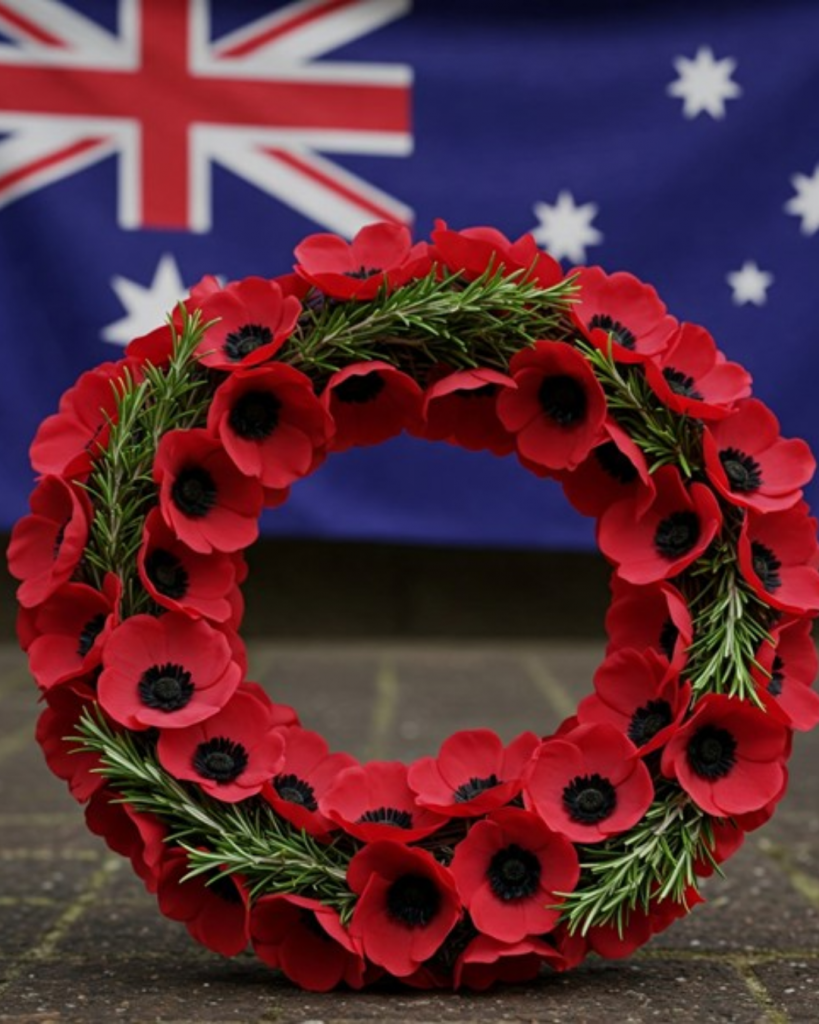
Why flowers matter on ANZAC Day
Flowers have always been part of remembrance. They say what words often can’t.
From wreaths laid at memorials to a single stem placed at a headstone, they represent respect, gratitude and memory that continues beyond a single day.
For many, it’s a simple act. But a meaningful one.
The symbolism of ANZAC flowers
Red Poppies
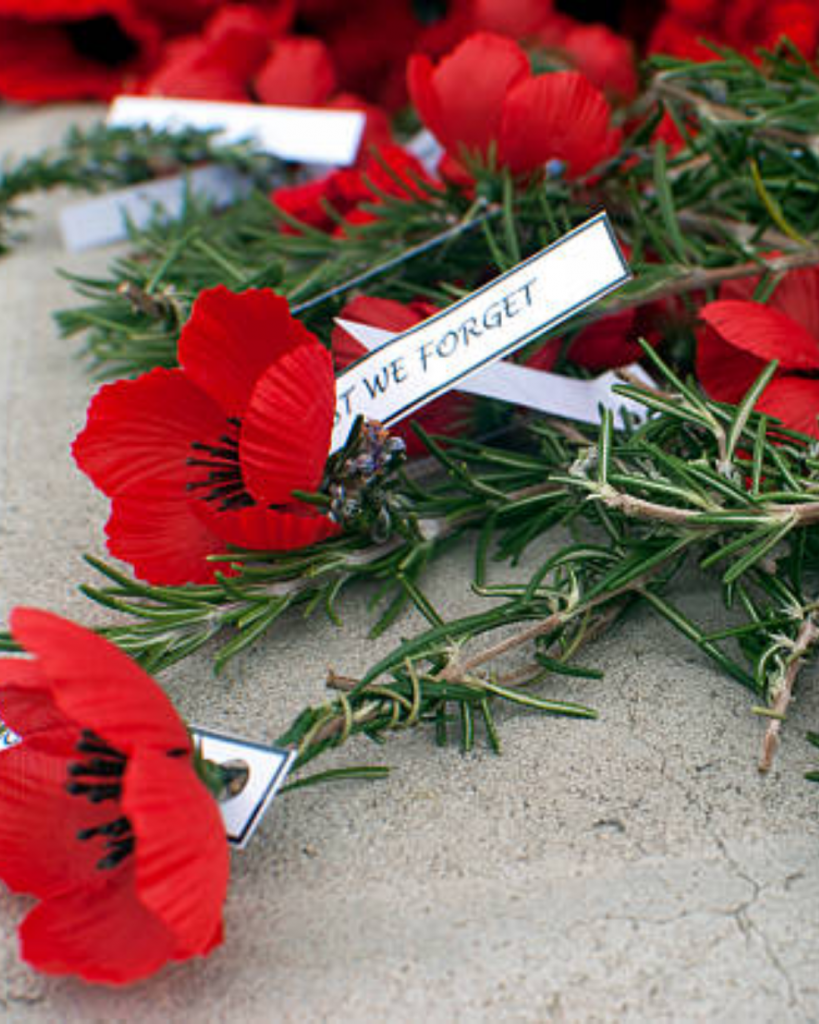
The most recognised symbol of remembrance. Inspired by the fields of Flanders, they represent sacrifice and those who lost their lives in war.
Rosemary
Often worn or placed on ANZAC Day in New Zealand. Rosemary is a symbol of remembrance and is said to grow wild on the Gallipoli peninsula.
Native Florals
In Aotearoa, wreaths often include native foliage and blooms. A way of grounding remembrance in place, and honouring those who came from here.
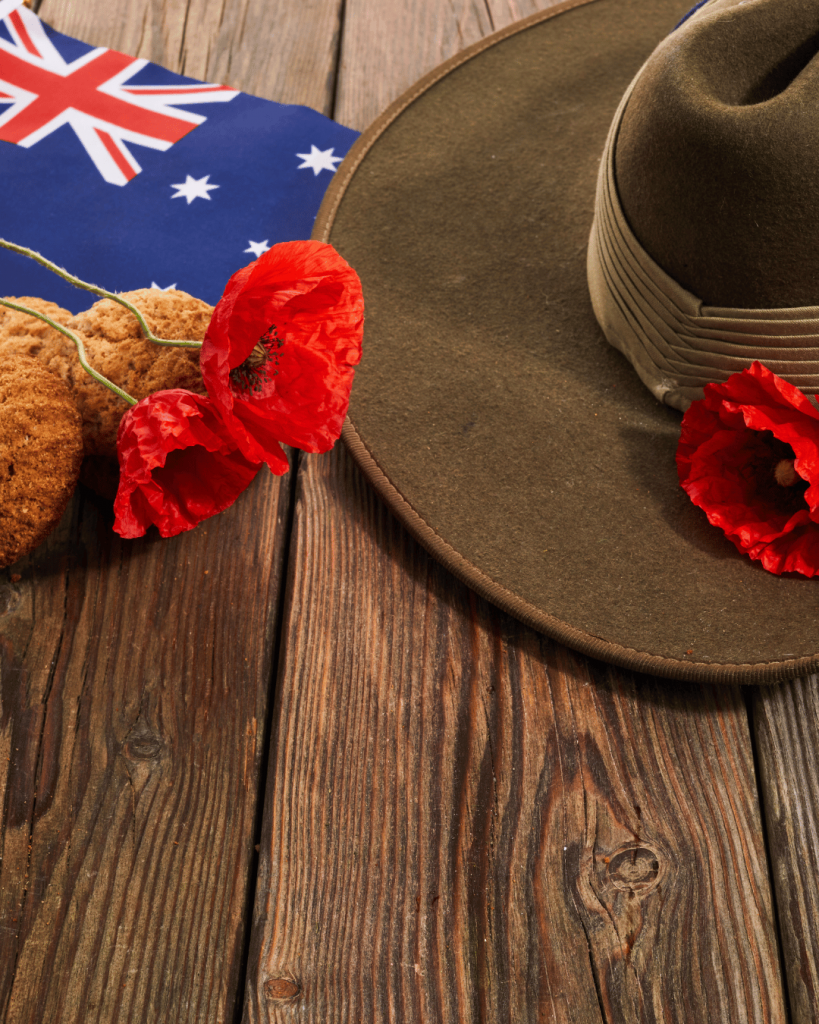
A quiet way to honour the day
Remembrance doesn’t have to be loud.
It can look like:
Placing flowers at a local memorial.
Sending a bouquet to someone remembering a loved one.
Taking a moment at home with a simple arrangement.
Small gestures carry meaning.
This ANZAC Day, we remember.
In our own ways, in our own time.
Lest we forget.