


Flowers are one of the easiest ways to brighten a home, but there’s a surprising amount of misinformation floating around about how to look after them. Many of us grew up hearing “tips” from grandparents, flatmates or social media that don’t actually help your flowers – and some can even shorten their vase life.
We asked experienced Interflora florists from around Aotearoa to weigh in on the most common flower care myths they still hear from customers, and what you should do instead to keep your blooms looking beautiful for longer.
Myth 1: “A spoonful of sugar keeps flowers alive longer”
This is probably the most popular flower care myth in New Zealand homes. The thinking is that sugar “feeds” the flowers and keeps them fresh.
In reality, adding sugar on its own often encourages bacteria to grow in the vase water, which can clog stems and cause flowers to wilt more quickly. Any initial perk you might see is usually short‑lived.
What Interflora florists recommend instead
- Use the professional flower food sachet that comes with your Interflora bouquet.
- Mix it exactly as directed with fresh, cool water in a clean vase.
- Change the water every two days and add fresh flower food each time if you have extra sachets.
Professional flower food is carefully balanced with nutrients, acidifiers and biocides – so your blooms get what they need without turning the vase into a bacteria party.
Myth 2: “Just top up the water – you don’t need to change it”
Many people simply top up the vase as the water level drops, assuming clear water equals clean water. Unfortunately, even if it looks okay, old water is usually full of bacteria and microscopic debris from stems.
Over time this build-up blocks the straw‑like vessels inside each stem, meaning the flowers can’t drink properly and start to droop or brown at the edges.
What Interflora florists recommend instead
- Fully change the water every one to two days.
- Rinse the vase with warm, soapy water, then with clear water before refilling.
- Trim 1–2 cm off the stem ends at a sharp angle each time you change the water.
Think of it like a glass of drinking water for your flowers – you wouldn’t just keep topping your own up forever without washing the glass.
Myth 3: “Flowers last longer in the fridge”
It’s true that florists use coolrooms, but that doesn’t mean your kitchen fridge is a good place for your bouquet. Domestic fridges are designed for food, not flowers, and the environment inside is often too cold, too dry and full of ethylene-producing fruits.
Ethylene is a natural plant hormone given off by some fruits and vegetables (like apples, bananas and tomatoes) that speeds up ripening – and sadly, it can also speed up flower ageing.
What Interflora florists recommend instead
- Keep arrangements in a cool room away from direct sun, heaters, fireplaces and draughts.
- Display them away from fruit bowls and vegetable storage.
- If it’s a very hot day, move flowers to the coolest room in the house overnight rather than into the fridge.
A stable, mild temperature is ideal – think comfortable jersey, not winter jacket.
Myth 4: “Bleach, lemonade or vodka in the vase water works wonders”
The internet is full of “secret hacks” involving household products. Tiny amounts of some additives can have a mild effect on bacteria levels or pH, but it’s very easy to get the balance wrong and damage the flowers.
Lemonade usually contains sugar and acids that can increase bacteria growth, and alcohol can dehydrate stems. Bleach is effective at killing bacteria, but too much will burn delicate tissue.
What Interflora florists recommend instead
- Skip the DIY cocktail and rely on proper flower food.
- If you do not have any, use plain fresh water and focus on frequent changes and clean vases.
- Avoid adding household chemicals unless you understand exactly how they work – and even then, use with great caution.
The simplest routine – clean vase, fresh water, regular trims – almost always outperforms “magic” tricks.
Myth 5: “All flowers like full sun on the windowsill”
Because flowers grow outdoors, it’s easy to assume they’ll be happiest in the sunniest spot in the house. Cut flowers, however, are no longer drawing water and nutrients from roots in the ground. Direct sun indoors can be surprisingly intense, heating the water and stressing the blooms.
Result: petals dry, colours fade, and flowers age faster than they would in a cooler position.
What Interflora florists recommend instead
- Choose bright, indirect light rather than harsh midday sun.
- Keep arrangements away from north‑ or west‑facing windows that get strong afternoon light.
- Watch for signs of heat stress such as limp petals, dry edges or cloudy water.
For most bouquets, “bright but not baking” is the sweet spot.
Myth 6: “You should remove all leaves from the stems”
Leaving foliage on stems above the water line is not a problem – in fact, it helps create a full, lush arrangement. The real issue is leaves sitting below the water line, where they break down quickly and feed bacteria.
Some people strip stems bare thinking this will help the flowers last longer, but it can spoil the look of the bouquet and isn’t necessary.
What Interflora florists recommend instead
- Remove any leaves that will sit below the water line.
- Leave foliage on the upper part of the stem to keep the arrangement looking balanced.
- Check daily and strip any leaves that have slipped into the water as you rearrange.
A little foliage in the right place adds structure, movement and texture to your bouquet.
Myth 7: “You should bash the stems with a hammer”
This old‑school tip comes from the idea that “opening up” woody stems helps them drink. In practice, smashing stems can damage the water‑carrying vessels and create a messy, rotting end that blocks water uptake.
You might still see this myth suggested for roses or woody stems, but it is definitely one our florists would love to retire.
What Interflora florists recommend instead
- Use clean, sharp secateurs or a knife to cut stems on a diagonal.
- Re‑cut 1–2 cm off the ends every couple of days.
- For woody stems (like some natives or branches), a simple vertical slit up the base of the stem can help, but no hammering required.
Clean, precise cuts are far more effective than brute force.
Myth 8: “Florist‑arranged bouquets don’t need any care”
Because a professional florist has created your bouquet, it’s tempting to think it will just take care of itself. While design and conditioning at the florist make a big difference, once the arrangement is in your home it still needs a little attention.
Ignoring water levels, heat, and maintenance can shorten vase life, even for premium flowers.
What Interflora florists recommend instead
Follow this simple care routine for any Interflora bouquet:
- Place in a clean vase with fresh water and flower food as soon as possible.
- Keep away from direct sun, heaters, air‑conditioning vents and fruit bowls.
- Change the water and re‑cut stems every one to two days.
- Remove any flowers or foliage that start to fade so the rest of the bouquet stays fresher.
A couple of minutes every few days can add several days of extra enjoyment.
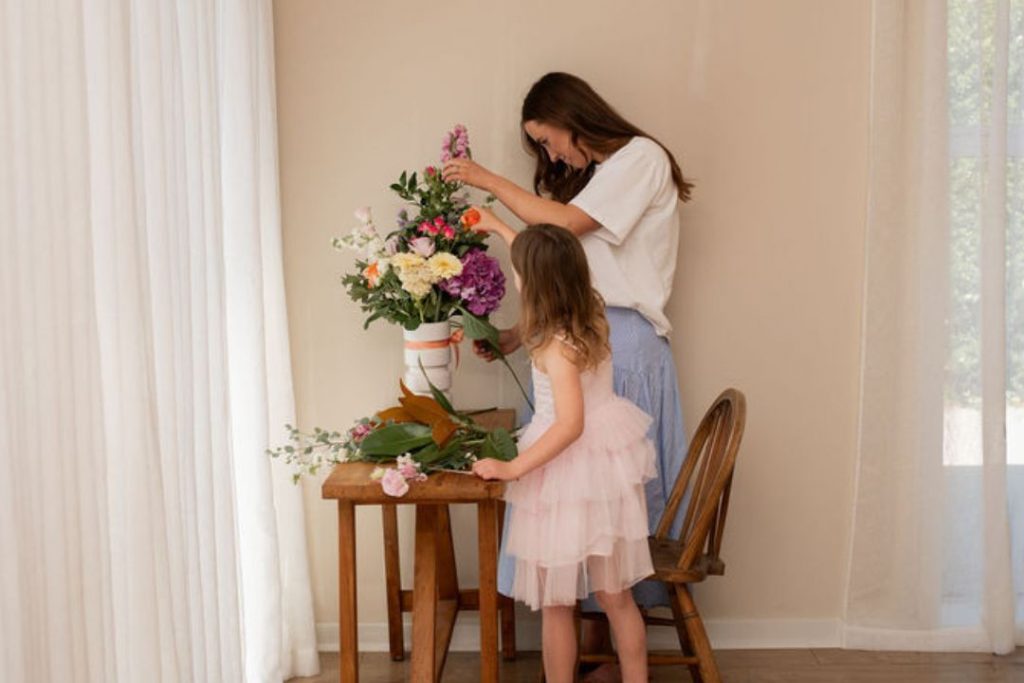
A simple Kiwi‑friendly flower care checklist
To bring it all together, here’s an easy routine you can use with your next bouquet:
- Clean vase, cool fresh water, use the supplied flower food.
- Trim stems at an angle before placing them in the vase.
- Keep flowers in a cool spot with bright, indirect light.
- Change water and re‑cut stems every 1–2 days.
- Remove any leaves below the water line and any fading blooms.
With a few good habits – and none of the myths – you’ll get the most from every Interflora delivery, whether it’s a “just because” bunch for your kitchen bench or something special for a big celebration.